
Personal alcohol licence: Building confident, compliant hospitality teams

Selling alcohol isn't just about having the right licence on the wall. It's about having the right people, with the right knowledge, making the right decisions every day.
Whether you manage a single restaurant or hotel, or oversee multiple sites, ensuring the right people hold the correct qualifications is essential. As teams grow, managers move on and new sites open, keeping alcohol compliance consistent across your operations becomes increasingly challenging.
This guide explains what a personal alcohol licence is, who needs one, how to obtain one and how operators can use training to build confident, compliant teams.

What’s a personal alcohol licence?
A personal alcohol licence allows an individual to authorise the sale of alcohol at licensed premises in England and Wales. Every restaurant or hotel that sells alcohol must have a Designated Premises Supervisor (DPS) who holds a valid personal alcohol licence, helping ensure alcohol is sold responsibly and in line with the law.
To hold a personal alcohol licence, an individual must usually:
- Be aged 18 or over
- Complete an accredited qualification, such as the Level 2 Award for Personal Licence Holders (APLH)
- Apply for their licence through their local council
Unlike a premises licence, a personal alcohol licence belongs to the individual, not the business. That means when employees move between sites or leave the business, the licence goes with them. For multi-site operators, knowing who holds a valid licence, where they're based and who can step into key roles is an important part of maintaining compliance.
At the heart of the role is helping licensed premises create a safe, responsible environment for both customers and employees. Personal licence holders do this by supporting the four licensing objectives:
- Preventing crime and disorder
- Protecting public safety
- Preventing public nuisance
- Protecting children from harm

How to get a personal alcohol licence
Obtaining a personal alcohol licence is a straightforward process that begins with completing an accredited qualification.
Step 1: Complete an APLH course
The first step is completing an accredited licensing qualification, such as the Level 2 Award for Personal Licence Holders (APLH). These courses cover licensing law, responsible alcohol service, age verification and the legal responsibilities of a personal licence holder.
Flow Learning by Mapal gives operators a flexible way to help prepare employees for the APLH qualification. Through online engaging, scenario-based learning, employees can build their knowledge, while helping operators deliver and manage training consistently across every site.
Step 2: Pass the qualification
Once the training is complete, learners take the APLH assessment. Passing the qualification confirms they understand the responsibilities of a personal licence holder and provides the certificate needed to apply for their licence.
It's not just about passing an exam, it's about giving employees the confidence to make the right decisions when they're responsible for alcohol sales.
Step 3: Apply through the local council
With the qualification complete, individuals can apply for their personal alcohol licence through their local council. Applications typically require the qualification certificate, proof of identity, a criminal record declaration and the relevant application fee.
From there, the focus shifts from gaining the licence to managing it. For operators, keeping track of who holds a valid personal alcohol licence, where they're based and when new employees need training helps ensure every venue stays compliant as teams evolve.
What does the APLH course include?
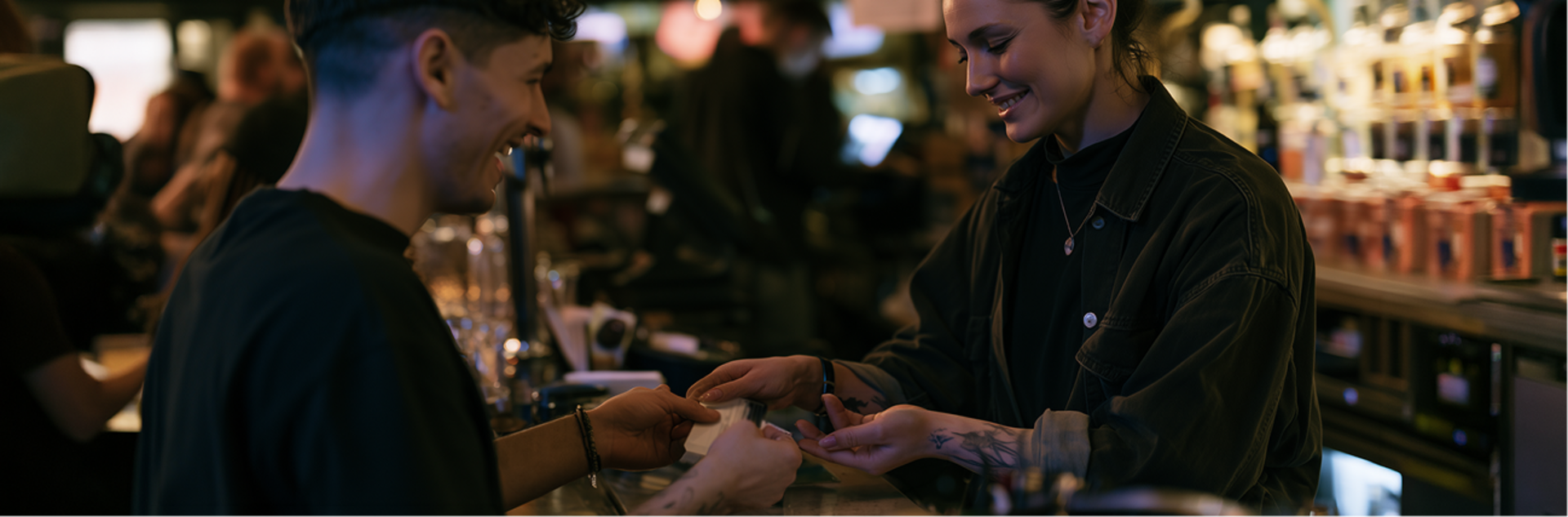
A personal alcohol licence isn't about memorising legislation. It's about giving employees the knowledge to make the right decisions when it matters most, whether that's checking ID during a busy Friday night service or knowing when it's appropriate to refuse an alcohol sale.
Accredited APLH qualifications are designed to give learners the core knowledge needed to become a personal licence holder and meet the legal requirements of the role.
Licensing laws
Learners build an understanding of the Licensing Act 2003, the four licensing objectives and the legal framework surrounding alcohol sales. They also explore how these legal requirements apply in real hospitality settings.
Responsibilities
Holding a personal alcohol licence comes with responsibility. Learners explore the legal duties of a personal licence holder, including authorising alcohol sales, understanding the role of the Designated Premises Supervisor (DPS) and helping licensed premises operate safely, responsibly and in line with the law.
Age verification and compliance
Checking ID, recognising intoxication and refusing service aren't always straightforward. This part of the course covers age verification, responsible alcohol service and situations where alcohol sales should be refused, helping employees make informed decisions while protecting both customers and the business.

How technology simplifies training and compliance
Imagine being able to answer questions like Who's completed the personal alcohol training at this site?, Who's due for refresher training? or Are all our teams working to the same standard? in seconds, not hours.
As your restaurant or hotel business grows, keeping track of mandatory learning and compliance across multiple locations quickly becomes difficult. The right learning platform takes that admin off your plate, giving you one place to assign training, monitor progress and maintain visibility across every site.
With Flow Learning by Mapal, operators can deliver engaging, online learning that fits around busy hospitality teams while helping prepare employees for accredited qualifications and ongoing compliance training. Everything is managed in one place, making it easier to onboard new starters, maintain standards and stay audit-ready.
The goal isn't simply to have qualified employees. It's to create a business where every team member knows what good looks like, every site delivers the same high standards and compliance becomes part of everyday operations, not something you only think about when an inspection is due.
Final thoughts
A personal alcohol licence is more than a qualification. It gives employees the knowledge and confidence to make responsible decisions, support safer hospitality environments and uphold the standards customers expect.
By understanding who needs a licence, how the process works and the importance of ongoing learning, operators can ensure they're not only meeting legal requirements but also building stronger, more capable teams that are prepared for the responsibilities of serving alcohol.