
Restaurant teams are trained. Why does performance still break on shift?

Get first access to Mapal’s upcoming 2026 restaurant performance report
Training looks like it’s working. On paper, at least.
Learning plans are in place. Content is delivered. Teams are signed off as ‘trained’. From a Learning and Development perspective, everything suggests teams are prepared.
That view only tells part of the story.
New findings from Mapal’s soon to be released 2026 restaurant performance report reveal a growing disconnect between training, confidence and performance on shift, based on survey insights from 200 frontline employees and 200 HR and L&D leaders across quick-service and full-service restaurants (QSR and FSR), reveals a growing disconnect between training, confidence and performance on shift. What looks effective in theory isn’t always translating on the floor.
Where training meets reality
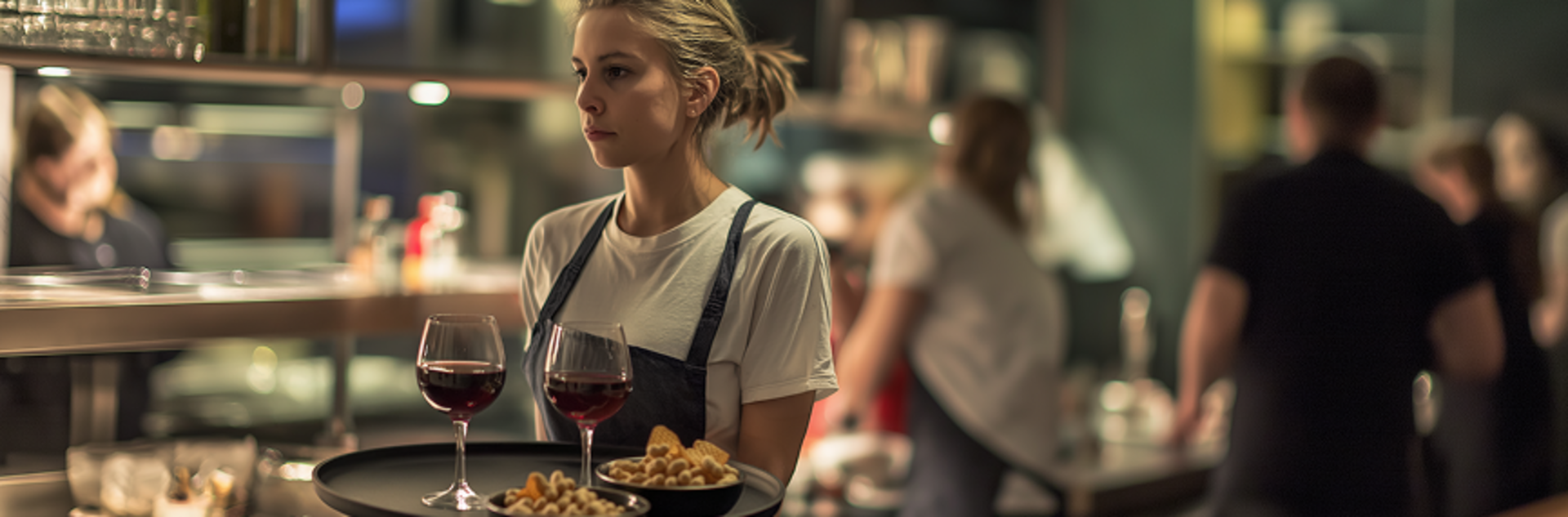
Restaurants don’t operate in controlled environments. They operate on busy floors, during peak service, in real time and in front of guests.
Service is fast, unpredictable and highly visible. There’s little time to pause or reset.
This is where training is tested.
Service quality research has long pointed to a gap between ‘service on paper’ and ‘service in practice’. In the Service Quality Gap Model, this is known as the delivery gap, meaning the difference between the standards a business sets and what actually gets delivered on the floor (Umbrex, 2026).
In restaurants, that gap shows up quickly. Not because teams aren’t trained, but because the conditions make consistency harder to sustain.
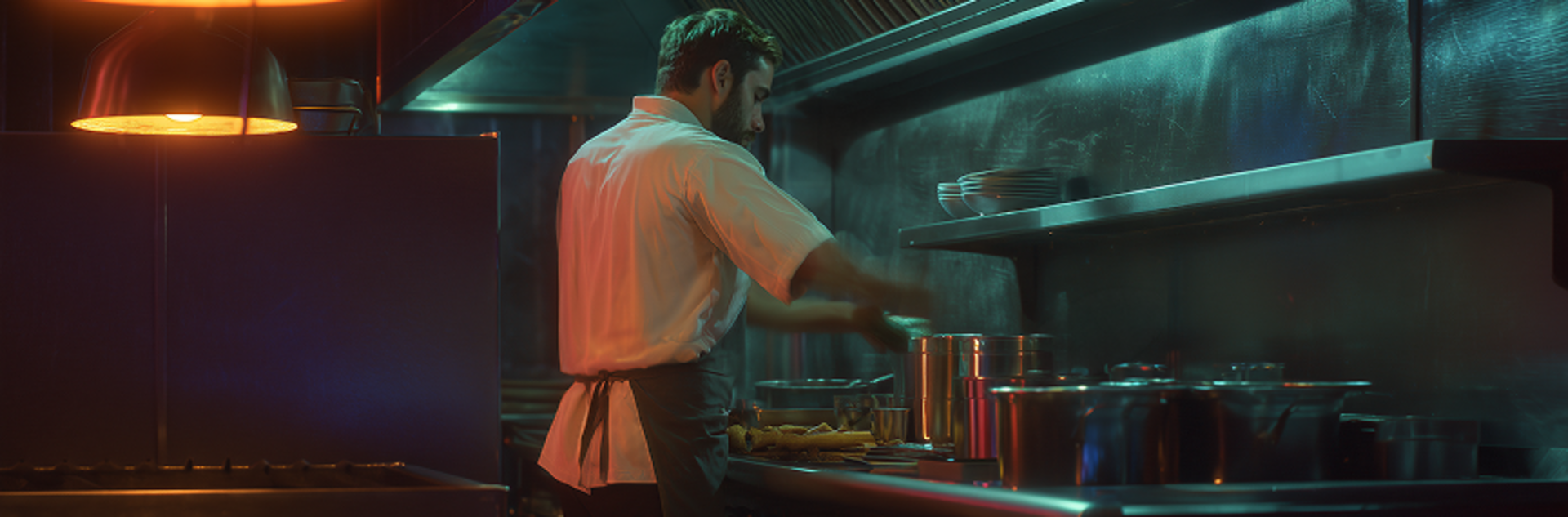
On shift, there’s no time to think through training step-by-step. People rely on instinct, habit and what feels easiest in the moment.
The gap: trained, but not confident
Mapal’s recent research shows how wide that gap has become.
Across quick-service restaurant (QSR) and full-service restaurant (FSR) operators, 95-99% of teams say they’re trained. Only 47–53% say they feel fully confident during service.
The industry has built knowledge. Readiness on the floor hasn’t kept pace.
That gap between ‘I’ve been trained’ and ‘I can do this right now, on a busy shift’ is where performance starts to break. Execution drops because knowing what to do isn’t the same as being able to do it under pressure.
Different environments, same outcome
This gap plays out differently depending on the environment.
In QSR, speed drives decisions. There’s little room to recover when something goes wrong.
In FSR, coordination is the challenge. Service depends on timing, communication and alignment across front and back of house.
Different environments. Same outcome.
Confidence drops when service begins, and consistency becomes harder to maintain.
Where it hits performance
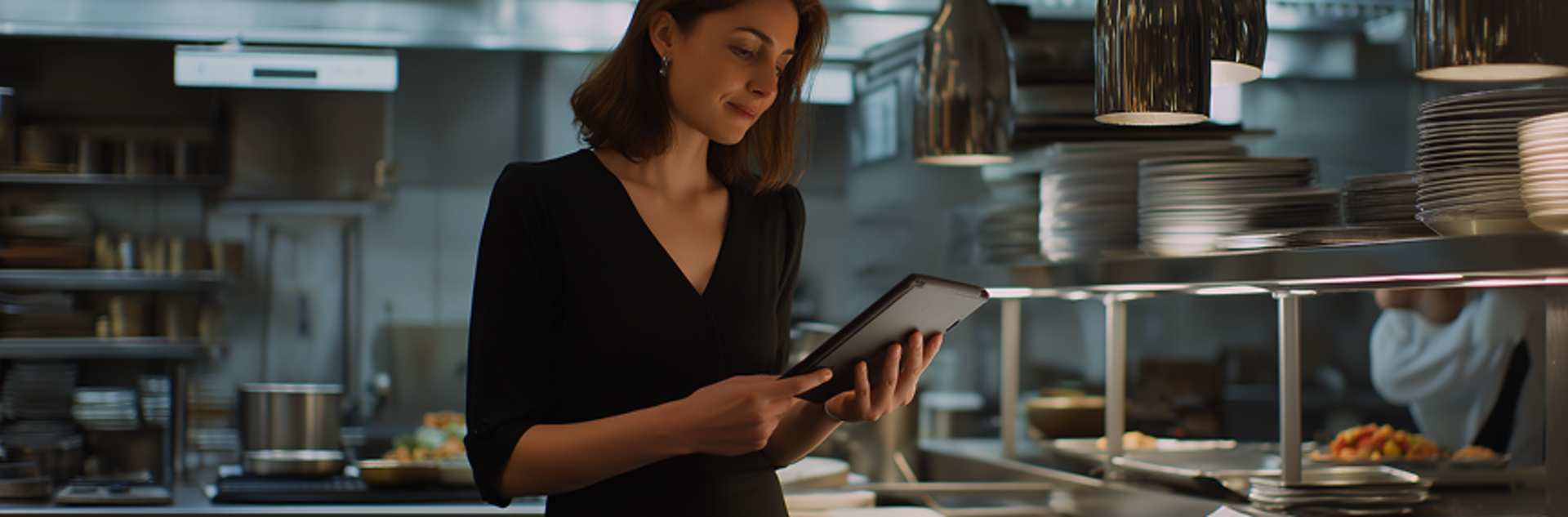
For HR and L&D teams, this is where the impact becomes clear.
If learning doesn’t translate into consistent execution, it doesn’t translate into performance.
When teams lack confidence on shift:
- service slows down
- upselling opportunities are missed
- errors increase
- guest experience becomes inconsistent
Across multiple locations, these gaps add up. Standards vary. Managers spend more time firefighting.
The result is a brand experience that becomes harder to control, and a widening gap between what guests expect and what they actually experience, the core challenge at the heart of service quality (Open Stax, 2026).
Get the full insights
The gap between training and performance is only part of the picture.
Mapal’s upcoming 2026 restaurant performance report, explores what is driving this disconnect, and what high performing operators are doing differently.
If you want to understand what is really impacting confidence, consistency and performance across your teams, the full report brings the data together.
Fill out the form below to get first access when the report launches.